The Artisan's Script: Understanding Baby Crying Font
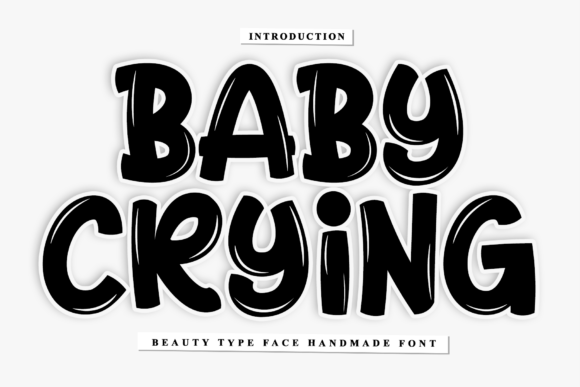
When you encounter a typeface like Baby Crying, it immediately tells a story. It’s not just a collection of letters; it’s a visual voice with a distinct personality. This premium font is a sophisticated and rhythmic script that walks the line between classic calligraphy and a warm, handcrafted feel. Its most recognizable feature is the sweeping, looping ascenders—the parts of letters like 'b', 'd', and 'h'—which create a flowing, almost dance-like rhythm across a page or screen. This isn't a font that tries to be everything to everyone. Instead, it offers a specific, artisanal artistry that can elevate a project when used thoughtfully.
Visual Character and First Impressions
At its core, Baby Crying is a display font, meaning it’s designed to make an impact in headlines, logos, and short bursts of text. Its calligraphic style suggests a human touch, evoking the precision of a skilled sign painter or the fluidity of a practiced hand with a brush pen. The overall aesthetic is one of curated warmth and boutique quality. It feels personal yet polished, making it a compelling choice for projects that need to convey authenticity, creativity, and a touch of upscale elegance without appearing stiff or overly formal. The personality of the typeface is confident, artistic, and inherently stylish.
Where This Script Font Truly Shines
The true value of a creative font like Baby Crying is revealed in its application. It excels in environments where first impressions are paramount and where a brand or message needs to stand out with character. Think of artisanal food branding on a jar of small-batch jam or the label of a craft beverage. The font’s organic quality complements the product's handmade story. Similarly, for boutique product packaging—whether for cosmetics, candles, or specialty goods—this script font adds a layer of perceived luxury and attention to detail.
Beyond physical products, Baby Crying is a premier choice for lifestyle marketing. It works beautifully on social media graphics for influencers and brands in the wellness, fashion, or home décor spaces. Its elegant loops and rhythmic flow capture attention in a crowded feed. For editorial design, it can transform the title of a magazine feature, a blog header, or the cover of a niche publication, instantly setting a sophisticated and creative tone. In the digital realm, it can be used sparingly but effectively in web design for hero text or key calls-to-action, provided readability at smaller sizes is carefully tested.
Practical Guidance for Designers and Creators
Choosing the right font for a project is a critical decision in building a cohesive brand identity. Here’s how to approach integrating Baby Crying into your work:
- Evaluate the Project Fit: Ask yourself if the project’s core message aligns with the font’s personality. Is it about craftsmanship, elegance, and a personal touch? If you’re designing for a corporate law firm or a tech startup, this script font might not be the best primary choice. For a wedding invitation suite, a bakery’s logo, or a lifestyle blog, it could be perfect.
- Master the Font Pairing: A script font like Baby Crying rarely works well alone for body text. Its strength is in display roles. Pair it with a clean, simple sans serif font or a classic serif font for paragraphs, product descriptions, or supporting information. This contrast creates a clear visual hierarchy, ensuring your headlines are captivating while your body copy remains highly readable.
- Test for Readability: Always test the font in context. View it at the sizes it will be used, both on screen and in print if applicable. Pay attention to the legibility of individual letters, especially in words with complex combinations. The looping style, while beautiful, can sometimes reduce clarity at very small sizes.
- Review Included Styles: A high-quality commercial font often comes with multiple styles. Check if Baby Crying includes alternate characters, swashes, or stylistic sets. These can provide valuable flexibility, allowing you to customize the look slightly for different applications while maintaining brand consistency.
- Understand Commercial Licensing: For any professional or commercial use—from client work to selling products with the font on it—you must ensure you have the correct license. Read the licensing terms provided by the font foundry. This protects you legally and ensures the font creators are compensated for their work, supporting the ecosystem of modern typography and design assets.
Influencing Perception and Engagement
The fonts you choose are silent ambassadors for your brand. A typeface like Baby Crying influences how an audience perceives a message on a subconscious level. Its artisanal quality can make a brand feel more authentic and trustworthy. Its elegance can elevate the perceived value of a product. Using it consistently across your logo, packaging, and marketing materials builds strong brand recognition. When a customer sees that distinctive script, they begin to associate it with the quality and style of your offerings.
Ultimately, the goal of any design asset is to foster connection. The right font doesn’t just display words; it enhances the story those words tell. Baby Crying offers a powerful tool for designers, entrepreneurs, and creators looking to infuse their projects with a sense of crafted beauty and sophisticated charm. By applying it strategically and pairing it wisely, you can create visuals that are not only beautiful but also deeply effective in engaging your intended audience.