Camelluna: A Modern Script Font for Elegant Branding
Finding a script font that feels both fresh and timeless can be a challenge. You want something with personality that doesn't look like it was pulled from a generic template. Enter Camelluna, a contemporary script typeface designed to bring a handcrafted, calligraphic warmth to your projects. It's not just another decorative font; it's a versatile design asset built for real-world application, from professional branding to personal creative endeavors.
The Visual Character of Camelluna
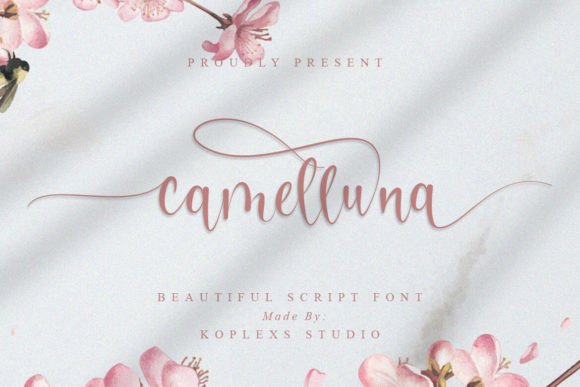
At its core, Camelluna is a fresh and modern new script font. It captures the fluidity and elegance of hand-lettered calligraphy but with a clean, updated sensibility. The characters feature gentle, flowing strokes and what designers call dancing baselines—this means the letters don't sit in a perfectly straight line. Instead, they have a subtle, natural rise and fall, mimicking the organic rhythm of handwriting. This quality gives text set in Camelluna an immediate sense of movement and life.
The font includes decorative characters and alternate glyphs, which are crucial for avoiding that repetitive, digital look. With 185 glyphs in total, Camelluna offers enough variety for most projects. The alternate characters are organized into Stylistic Sets and Stylistic Alternates within the font's OpenType features. In practical terms, this means if you're using design software like Adobe Illustrator, InDesign, or Photoshop, you can easily swap out a standard letter for a more ornate version with a single click. This level of control allows you to fine-tune the look of headlines, logos, or single words to make them truly unique.
Where Camelluna Shines: Practical Applications
A font's value is measured by where it can be effectively used. Camelluna's blend of elegance and modernity makes it a strong candidate for a wide range of creative and commercial projects.
For brand identity, it can serve as a distinctive logo font or a secondary typeface for brand names, taglines, or packaging. Imagine a boutique bakery, a wedding planning service, or a handmade cosmetics line using Camelluna for its logo. It immediately communicates a sense of care, craftsmanship, and personal touch. In packaging design, it can elevate product labels, especially for artisanal goods, gourmet foods, or luxury skincare.
In the realm of marketing and publishing, Camelluna excels as a display font for headlines, pull quotes, or chapter titles. It can add visual interest to social media graphics, especially for platforms like Instagram or Pinterest where aesthetic appeal is paramount. For bloggers and content creators, it can be used for stylized text overlays on images or for creating elegant featured graphics. It’s also a natural fit for greeting cards, invitations, and posters, where its calligraphic style is expected and appreciated.
Even in web design, used sparingly and strategically, a font like Camelluna can add a layer of sophistication. It might be used for a hero section headline, a special announcement banner, or decorative elements on an "About Us" page. The key is pairing it thoughtfully with a highly readable sans serif font or a clean serif font for body text to ensure clarity and maintain a professional hierarchy.
Design Considerations and Pairing Strategies
Choosing a font is just the first step. Using it effectively requires some strategic thinking. Here’s how to approach Camelluna in your workflow.
First, evaluate the project fit. Camelluna's personality is elegant, feminine, and artisanal. It’s perfect for projects targeting audiences that value aesthetics, quality, and personal connection. It might be less suitable for a corporate financial report or a technical manual, where a neutral sans serif would be more appropriate. Always consider the message you want to send.
Second, test font pairings. A script font like Camelluna rarely works well for long paragraphs. Its strength is in short bursts. Pair it with a simple, geometric sans serif (like Montserrat or Lato) for a modern look, or with a classic, readable serif (like Garamond or Times New Roman) for a more traditional, sophisticated feel. The contrast creates a clear visual hierarchy, guiding the reader's eye from the expressive headline to the functional body copy.
Third, leverage the OpenType features. Don't just type and go. If you have access to the advanced features in Adobe software, explore the Stylistic Alternates. Swapping a standard 'a' or 'g' for an alternate can change the entire feel of a word, making it more unique and tailored to your design. This is where the PUA unicode (custom-coded font) aspect comes in handy, ensuring these special characters are accessible even in more basic design programs or for crafters using certain software.
Finally, consider readability. At small sizes or in long lines of text, the flowing connections of script fonts can become difficult to read. Use Camelluna at larger sizes for headlines and short phrases. For business cards, ensure the text size is large enough that the elegant details don't turn into a blurry smudge. Always print a test copy or view it at 100% on screen to check legibility.
Camelluna is more than just a pretty script font. It’s a functional tool for designers, entrepreneurs, and creators looking to inject a dose of handcrafted elegance into their work. By understanding its strengths and applying it with intention, you can use it to build stronger brand recognition, create more engaging marketing materials, and add a professional, personal touch to all your creative projects. It stands as a valuable addition to any designer's library of design assets.