Rastering: A Modern Calligraphy Font for Elegant Design
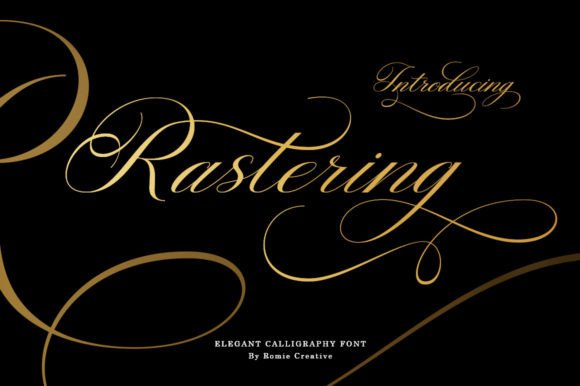
When a project calls for a touch of personal elegance without sacrificing modern clarity, the search for the right typeface can feel endless. Many script fonts lean too heavily into vintage nostalgia or overly casual handwriting, making them difficult to use in professional contexts. Rastering enters this space as a refined solution. It is a premium calligraphy font that balances fluid, expressive strokes with a contemporary sensibility. The letterforms feature graceful connections and thoughtful swashes, creating a rhythm that feels both authentic and polished. This isn't a font that shouts; it speaks with confident sophistication.
Understanding the Visual Character of Rastering
The personality of Rastering is one of accessible luxury. Its visual style avoids the extremes of stark minimalism or ornate decoration. Instead, it finds a middle ground that is warm, inviting, and inherently stylish. The lowercase letters, which include beautiful ending swashes and alternate characters, are particularly strong. These alternates allow designers to add flair and variation, preventing the text from looking repetitive or overly mechanical. The result is a handwritten font with a professional finish, suitable for applications where both personality and legibility are paramount.
This typeface works exceptionally well as a display font for headlines, logos, and short-form text. Its strength lies in its ability to draw the eye and set a tone. For a small business owner creating a brand identity, Rastering can communicate values of craftsmanship, care, and elegance. For a content creator designing social media graphics, it adds a layer of visual interest that can increase engagement. In editorial design, such as for magazine headers or book titles, it provides a sophisticated alternative to standard serif or sans serif fonts, injecting personality into the layout.
Practical Applications: Where Rastering Shines
Choosing a font like Rastering is about matching its strengths to your project's needs. Its versatility makes it a valuable asset across numerous domains. Consider these practical applications:
- Branding and Logo Design: Rastering excels in creating memorable logos for boutiques, cafes, wedding planners, artisanal product lines, and lifestyle brands. Its elegant script conveys a sense of bespoke quality.
- Marketing and Advertising: Use it for call-to-action text in advertisements, promotional flyers, or email headers where you want to evoke emotion and draw attention. It pairs well with a clean sans serif font for body copy.
- Publishing and Editorial Design: Perfect for chapter titles, pull quotes, or magazine feature headings. It adds a human touch to digital and print layouts, making content feel more curated.
- Packaging Design: For product labels, boxes, or tags, Rastering can elevate the perceived value of the product, suggesting care and quality in the details.
- Digital and Web Design: While best used sparingly for readability, it can create stunning hero sections on websites, impactful blog post titles, or elegant navigation elements on luxury e-commerce sites.
- Personal and Commercial Projects: From crafting wedding invitations and greeting cards to designing social media posts and digital planners, Rastering offers a creative font option that stands out.
Making the Most of Rastering: A Practical Guide
Integrating a new font into your workflow is about more than just liking its appearance. Here’s how to effectively evaluate and use Rastering.
Evaluate the Fit: Does your project require a formal, corporate tone, or does it allow for more personal expression? Rastering is ideal for the latter. Test it against your brand's voice. If your brand values are "warm, authentic, and refined," this font is likely a strong match.
Master Font Pairing: The key to using a script font effectively is pairing. Rastering’s flowing nature means it should be balanced with a stable, highly legible companion. A classic serif font can create a luxurious, traditional feel. A geometric sans serif font will offer a modern, clean contrast. Avoid pairing it with other ornate or handwritten fonts, as this creates visual clutter.
Leverage the Included Styles: The Rastering font package includes both OTF and TTF files, ensuring compatibility across various software. The true power, however, lies in its OpenType features. Accessing the swash and alternate characters through your design software's glyphs panel is crucial. Using the last swash on ending letters can add a beautiful, custom flourish to logos or headlines. Experiment with these alternates to give your text a unique, hand-lettered quality.
Prioritize Readability: As with any creative font, context is everything. Use Rastering for short bursts of text—headlines, titles, logos, or short phrases. For longer paragraphs, always switch to a more readable body font. Ensure sufficient contrast between the text and background, and consider the medium. What looks elegant on a high-resolution screen may need slightly larger sizing for print.
Consider Commercial Use: Rastering is a commercial font. This means you need to purchase the appropriate license for your project, whether it’s for a personal blog, client work, or products for sale. Respecting font licensing is a mark of professionalism and supports the designers who create these valuable assets.
Ultimately, Rastering is more than just another script font. It is a versatile design asset that can significantly influence the perception of your work. By understanding its character and applying it thoughtfully, you can harness its elegance to create designs that are not only beautiful but also effective and memorable. It’s a tool for telling a visual story with grace and precision.