Fashion Style: The Script Font for Modern Elegance
In the endless scroll of digital content, a certain kind of visual element can stop you mid-thumb-swipe. It’s a piece of design that feels both personal and polished, as if it were written just for you. This is the power of a well-crafted script font, and it’s precisely the magic that Fashion Style brings to the table. It’s not just a collection of letters; it’s a carefully curated design asset that infuses a touch of handmade elegance into any project it touches.
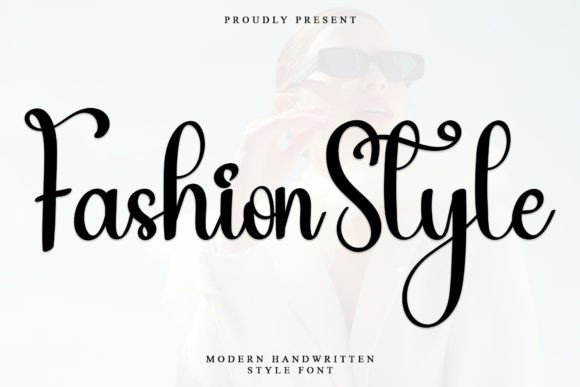
As someone who has spent years navigating the worlds of branding and digital design, I've seen countless fonts come and go. The ones that stick around are those that solve a real problem. Fashion Style addresses a common creative challenge: how to add a human, calligraphic touch without sacrificing legibility or professionalism. Its characters flow with a natural, slightly varied stroke that mimics the pressure of a real pen, avoiding the robotic, overly perfect look of some script fonts. The personality it conveys is one of approachable sophistication—think handwritten notes from a trusted friend who also happens to have impeccable taste. This makes it a versatile creative font for projects ranging from social media graphics to packaging design.
Where This Font Truly Shines: Real-World Applications
The true test of any typeface is how it performs in the wild. Fashion Style excels in contexts where warmth and individuality are key. For logo design, especially for boutiques, cafes, beauty brands, or personal blogs, it creates an instant emotional connection. It tells a story of care and craftsmanship before a customer even reads the tagline. In editorial design, it can be used for pull quotes, chapter titles, or magazine headings to break up the monotony of body text in a serif font or sans serif font.
Digital creators find it invaluable. As a font for Instagram, it makes quote cards, story headers, and product announcements feel personal and curated. For entrepreneurs building a brand identity, it can become a signature element, used consistently across thank-you notes, email headers, and website banners to build recognition. I’ve seen it used brilliantly in wedding stationery, artisanal product labels, and even as accent text in web design to highlight special offers or testimonials. Its strength lies in its role as a supporting player—it doesn’t need to carry an entire design but elevates everything around it.
The Practical Side: Choosing and Using Fashion Style
Adopting a new premium font is an investment, so it’s wise to approach it with a strategist’s mindset. First, consider your project’s core message. Does it call for a sense of personal touch, luxury, or creativity? If the answer is yes, Fashion Style is a strong contender. Always test it with your actual content. A font that looks beautiful in a preview might not render your brand name or a key headline with the same flair.
Next, think about font pairing. A script like this rarely works well alone for large blocks of text. Its personality needs a calm, stable partner. A clean sans serif font for body copy or a classic serif font for subheadings creates a beautiful and functional visual hierarchy. The contrast ensures readability while letting the script font’s character stand out. Most commercial font licenses, which Fashion Style likely comes with, allow for this kind of broad usage, but always double-check the terms for your specific needs, whether for client work or commercial products.
Maximizing Impact and Readability
While Fashion Style is designed for legibility, context is everything. Use it for headlines, short phrases, or logos, not for paragraphs. Ensure the text size is large enough for the intricate details of the letterforms to be clear, especially on mobile screens. In print, consider the paper stock; a textured paper can enhance its handmade feel, while a smooth stock keeps it sharp and modern. The goal is to let the font’s elegant script do what it does best: add a focal point of beauty and personality that draws the eye and engages the heart.
Ultimately, the right display font is a tool for connection. Fashion Style offers a bridge between the digital and the personal, transforming standard text into something that feels crafted and intentional. For designers, marketers, and creators looking to add that final, humanizing touch to their work, it’s more than just a set of glyphs—it’s a way to make your message not only seen but felt.