The Sweethoney Typeface: A Guide to Its Charm and Use
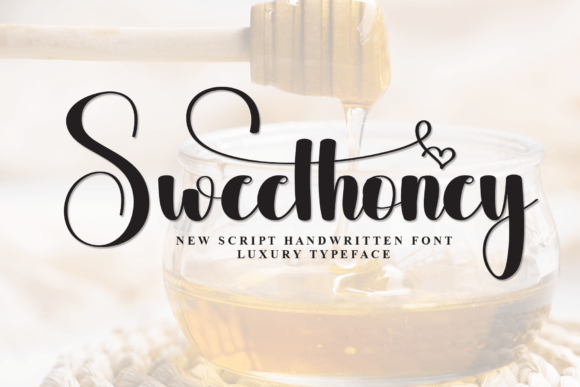
There’s a particular quality in a typeface that feels less like a tool and more like a collaborator. The Sweethoney font embodies this perfectly. It’s a premium font that drips with charm, offering a gentle and romantic touch that feels both handcrafted and intentionally designed. This isn't just another script font; it's a carefully crafted typeface whose delicate lines and a signature heart-shaped flourish inject a layer of whimsy and affection into every word it forms. For designers and creators, understanding its personality is the first step to unlocking its potential.
Visual Character and the Art of First Impressions
At first glance, Sweethoney reads as a modern typography statement with a sentimental core. Its "new script" style balances contemporary flow with a nostalgic warmth. The letterforms are connected with a smooth, natural rhythm, avoiding the overly rigid or overly chaotic pitfalls of many handwritten fonts. The real magic, however, lies in the details. The subtle variations in stroke weight mimic the pressure of a pen, while the optional heart-shaped dot on the 'i' or terminal flourish provides a built-in point of delight. This isn't a loud, attention-demanding display font. Instead, it whispers, inviting the viewer closer. This makes it exceptionally effective for projects where the goal is to create an emotional connection rather than just convey information.
Its personality is cozy, artisanal, and affectionate. Think of the warm, inviting feeling of a local bakery’s logo or the personal touch on a handmade Valentine’s card. This creative font communicates care, quality, and a human touch—qualities that are increasingly valuable in a digital landscape. When used in logo design, it immediately sets a brand’s tone as approachable and genuine. In packaging design, especially for artisanal foods, honey, or boutique goods, it can elevate a product from a commodity to an experience.
Strategic Applications: Where Sweethoney Truly Shines
Knowing a font is beautiful is one thing; knowing where to deploy it is another. Sweethoney excels in contexts that benefit from its warmth and legibility at medium sizes. It’s a versatile design asset, but its strengths are most pronounced in specific arenas.
- Branding & Packaging: This is its natural habitat. Use it for the primary wordmark of a bakery, a boutique hotel, a florist, or a skincare line focused on natural ingredients. On packaging, it works beautifully for product names, flavor descriptors, or a brand tagline, creating an instant shelf appeal that feels premium and personal.
- Editorial & Publishing: For editorial design, Sweethoney is ideal for chapter titles, pull quotes, or feature story headers in magazines or books about cooking, lifestyle, or romance. It adds a touch of elegance without sacrificing the modern feel of the overall layout.
- Digital & Social Media: In web design, consider it for hero section headlines, call-to-action buttons, or email newsletter headers where you want to drive engagement with a friendly tone. For social media graphics, it’s perfect for quote cards, promotional announcements for sales or events, and profile banners, helping to establish a consistent and recognizable brand identity across platforms.
- Personal & Commercial Projects: Its charm isn’t limited to commercial use. It’s a fantastic choice for wedding stationery, greeting cards, personalized gifts, and crafting projects. The PUA encoding means you can access all alternates and flourishes directly from your character map, even in basic design software.
Practical Considerations for Effective Implementation
Adopting a new typeface requires more than just liking its look. Here’s how to integrate Sweethoney thoughtfully into your workflow.
Font Pairing and Hierarchy
The key to using a strong script font is balance. Sweethoney should rarely, if ever, be used for long body paragraphs. Its strength is in display settings. Pair it with a clean, highly readable sans serif font or a classic, sturdy serif font. For example, a neutral sans serif like Montserrat or Lato for body text provides a perfect counterpoint, allowing Sweethoney to headline with impact without creating visual noise. This pairing establishes a clear visual hierarchy, guiding the reader’s eye naturally from the emotive header to the informative body copy.
Readability and Legibility
While legible for a script, always test Sweethoney at the intended size and in the context of its surrounding design. Its delicate lines work best on clean, uncluttered backgrounds. Ensure sufficient contrast between the text color and the background. For digital use, especially on smaller mobile screens, using it for very short phrases—like a button label or a single-word emphasis—is wiser than using it for a full sentence. Its charm can quickly turn into a readability challenge if overused or placed in a busy layout.
Evaluating Fit and Licensing
Before committing, ask: Does this font’s personality align with my project’s core message? If your brand voice is authoritative, technical, or minimalist, Sweethoney might create a disconnect. It thrives in spaces that value warmth, tradition, and personal connection. Review the full character set. Does it include the ligatures, alternates, and numerals you need? Finally, understand the licensing. As a commercial font, verify the license covers your intended use, whether for a single client project, unlimited commercial work, or personal merchandise. This due diligence ensures you’re using this beautiful design asset both effectively and legally.
In the end, Sweethoney is more than a font; it’s a tool for storytelling. It allows designers, entrepreneurs, and creators to inject a specific, heartfelt emotion into their work with precision. Used wisely, it doesn’t just display words—it enhances the entire narrative of your brand or project, making every interaction feel a little more personal and a lot more sweet.