The Magnolia: A Rhythmic Script for Autumnal Branding
There’s a specific feeling that arrives with the first crisp autumn morning—a sense of warmth, richness, and grounded sophistication. Capturing that aesthetic in a design project often comes down to the details, and few details are as powerful as typography. If you’ve been searching for a premium font that embodies the cozy yet elegant spirit of the season, The Magnolia might just be the design asset you didn’t know you needed.
A Visual Voice of Grounded Elegance
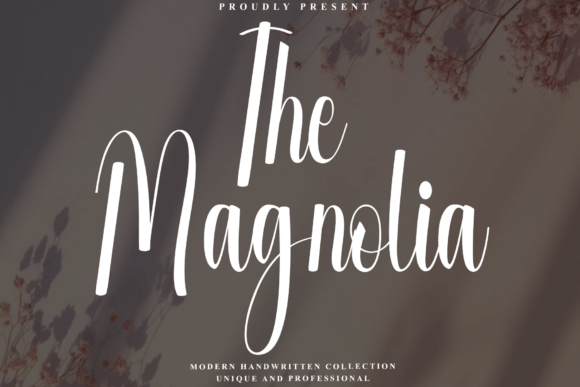
At first glance, The Magnolia feels like high-end inkwork brought to life. It isn't just another script font; it is a modern handwritten font characterized by high-contrast strokes. The downstrokes are thick and grounded, providing a sturdy visual anchor, while the upstrokes and connectors remain delicate, hairline-thin. This interplay creates a rhythmic flow that guides the eye effortlessly across the page.
What truly sets this typeface apart is its vertical structure. The letterforms are elongated, featuring graceful, looping ascenders that give the text an airy, spacious feel. It manages to be both bold and delicate simultaneously. Whether you are working on logo design for a boutique or crafting a headline for a lifestyle blog, this font offers a unique professional voice that feels personal without sacrificing legibility.
Best Applications: From Packaging to Editorial Headers
Knowing where to use a creative font like The Magnolia is key to maximizing its impact. Because it is a display font, it is designed to be seen, not necessarily to be read in long paragraphs. Its personality shines brightest in specific contexts where atmosphere and brand perception are paramount.
Here are the most effective ways to deploy this typeface in your projects:
- Artisanal Food Packaging: If you are designing labels for small-batch jams, roasted coffees, or seasonal baked goods, The Magnolia adds an immediate sense of craft and care. It suggests that the product inside is made with attention to detail.
- Boutique Event Invitations: For weddings, harvest festivals, or upscale dinner parties, the font’s looping ascenders mimic the flow of calligraphy, offering a sophisticated alternative to standard serif fonts.
- Social Media Graphics: In the fast-scrolling world of Instagram or Pinterest, the high-contrast strokes of The Magnolia grab attention. It is perfect for quote graphics, sale announcements, and seasonal campaign headers.
- Editorial Design: Use it for pull quotes or feature headers in magazines and blogs. It provides a beautiful contrast when set against a clean sans serif font used for body copy.
Influencing Brand Perception and Hierarchy
Typography is rarely just about decoration; it is a strategic tool for brand identity. When you choose a font like The Magnolia, you are signaling specific values to your audience. The "autumnal" visual voice suggests warmth, reliability, and a connection to nature or tradition. For a small business owner, using this font can instantly position your brand as artisanal, thoughtful, and premium.
From a technical standpoint, The Magnolia helps establish a clear visual hierarchy. Because it is a display font, it naturally commands the top spot in the hierarchy—used for H1 headers, logos, or main callouts. By pairing it with a neutral body typeface, you create a structure that is easy for readers to navigate. The reader immediately knows where to look first, which improves the overall user experience of your web design or print layout.
Practical Tips for Pairing and Usage
Integrating a modern typography asset like The Magnolia into your existing toolkit requires a bit of strategy. Here is a practical guide to getting the most out of this font:
- Master the Font Pairing: Because The Magnolia has such a distinct personality, it needs a quiet partner. Avoid pairing it with other decorative script fonts or busy serif fonts. Instead, opt for a clean, geometric sans serif font for your body text. This contrast allows the Magnolia’s elegance to stand out without overwhelming the design.
- Test for Readability: While the font is legible at medium to large sizes, you should avoid using it for small body text or legal disclaimers. Always test your packaging design or web design mockups at actual size to ensure the delicate hairline connectors don't disappear on low-resolution screens.
- Check the Styles: A comprehensive font family often includes alternates or ligatures. Explore the included styles to see if there are different swashes or connecting letters. These variations allow you to customize the look so it doesn't appear generic.
- Review Licensing: If you are using this for client work or merchandise, ensure you have the correct commercial font license. Most premium fonts distinguish between desktop use (for logos/print) and webfont use (for websites).
Ultimately, The Magnolia is more than just a seasonal typeface; it is a versatile design asset