Retrogram: A Monoline Script for Timeless Branding
The Essence of Mid-Century Cool
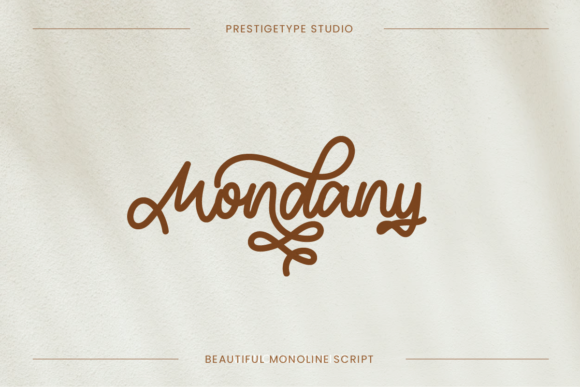
There’s a particular quality to lettering from the 1950s and 60s that modern digital type often misses. It’s a blend of confidence and casualness, a sense that each letter was drawn by a human hand with a steady pen and a clear purpose. This is the spirit captured in Retrogram, a monoline script font that feels less like a digital product and more like a discovered artifact. Its even stroke weight, or monoline quality, gives it a clean, consistent rhythm that avoids the sometimes fussy look of traditional calligraphy. Instead, it channels the effortless charm of classic diner signage, vintage soda pop labels, and the golden age of Americana. The letters connect with a fluid, natural flow, creating words that look cohesive and intentional. It’s a typeface with personality baked into every curve, designed to evoke a feeling of warmth, authenticity, and timeless style without relying on visual gimmicks.
What makes Retrogram stand out in a crowded field of script fonts is its balance. It’s bold enough to be noticed but retains a legibility that many decorative scripts sacrifice. The letterforms are open and well-spaced, preventing the visual clutter that can make script fonts difficult to read at smaller sizes or from a distance. This careful construction makes it a versatile premium font, suitable for more than just a fleeting headline. It carries the weight of a display font but possesses the approachable charm needed for broader applications, making it a valuable asset for any designer’s toolkit.
Where Retrogram Truly Shines
Understanding a font’s ideal context is key to using it effectively. Retrogram excels in projects where you want to communicate personality, heritage, and a handcrafted feel. Its visual DNA makes it a natural fit for brand identity work, especially for businesses that want to stand out from the minimalist, geometric sans serifs that dominate many industries.
- Logo Design & Brand Marks: For a craft brewery, a specialty coffee roaster, a boutique barbershop, or a farm-to-table restaurant, Retrogram can form the cornerstone of a memorable logo. It instantly signals authenticity and a focus on quality, helping a brand build a story around its origins.
- Packaging Design: On a label for artisanal hot sauce, a craft chocolate bar, or a small-batch spirit, this font adds a layer of perceived value. It tells the customer that care and tradition went into the product, enhancing the shelf appeal and reinforcing the brand’s narrative.
- Editorial & Publishing: Think beyond body text. Using Retrogram for chapter titles in a cookbook, feature headers in a lifestyle magazine, or the cover of a novel set in a historical period can transport the reader before they even read the first paragraph. It sets a powerful mood.
- Web & Digital Design: While not for running text, it’s a fantastic creative font for website hero sections, call-to-action buttons, or stylized quotes. In social media graphics, it can make promotions, announcements, or inspirational posts feel more personal and engaging, stopping the endless scroll.
Beyond commercial use, Retrogram is a joy for personal projects. Use it to create standout invitations, custom stationery, unique apparel designs, or impactful prints. Its inherent style gives a professional polish to crafters and hobbyists looking to elevate their work.
Practical Guidance for Effective Use
Choosing a display font is only half the battle; implementing it well is what creates a successful design. Here’s how to approach Retrogram with a practical mindset.
Font Pairing and Hierarchy
A script font rarely works alone. The key to a professional layout is pairing it with a complementary typeface to create visual hierarchy and ensure readability for longer text. Because Retrogram is so expressive, it pairs best with clean, neutral partners. A simple sans serif font like Helvetica, Futura, or a modern geometric sans provides a perfect counterbalance, allowing the script to be the star without competition. For a more traditional or elegant feel, a classic serif font like Garamond or Baskerville can create a beautiful contrast. Use Retrogram for headlines, logos, or pull quotes, and let the paired font handle body copy, subheadings, and supporting information. This creates a clear visual hierarchy that guides the reader’s eye naturally.
Readability and Licensing
Always test the font in its intended environment. Check the legibility at the final size, on both screen and print if applicable. Review the full character set; a quality script font like Retrogram will include alternates, swashes, and ligatures that allow you to customize connections and avoid repetitive letterforms, giving your typography a more authentic, hand-lettered look. Finally, ensure you have the correct commercial font license for your project’s scope, whether it’s for a single client, multiple products, or a digital asset for sale. Respecting the licensing protects both you and the font’s creator.
In the end, Retrogram is more than just a collection of glyphs. It’s a tool for storytelling. By understanding its personality and applying it thoughtfully, you can harness its nostalgic glow to create designs that resonate deeply, connect emotionally, and stand the test of time. It’s a piece of modern typography that doesn’t chase trends—it revives a classic sensibility for today’s creative landscape.