Lambresia: A Charming Script for Authentic Designs
Understanding the Authentic Appeal of Lambresia
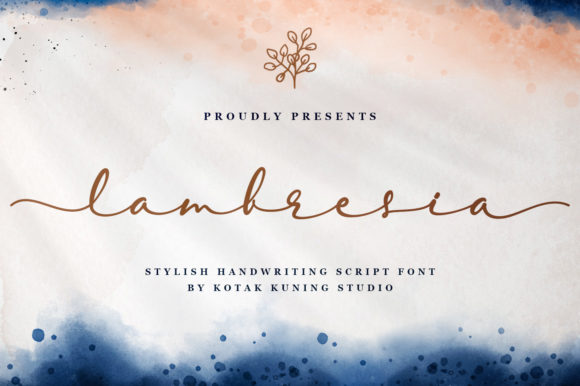
Finding a script font that balances genuine character with professional usability can be a real challenge. Many handwritten typefaces feel either too casual for commercial work or too stiff to convey warmth. Lambresia strikes a different balance. It is a cool and charming script with a unique feel, designed to evoke an authentic, hand-lettered aesthetic without sacrificing the legibility needed for modern projects. When you first see Lambresia, you notice its fluid, connected strokes and slightly irregular baseline. This isn't a font that mimics perfect calligraphy; it captures the organic rhythm of a hand moving confidently across paper.
The personality of Lambresia is approachable and creative. It carries a vintage-inspired warmth but feels contemporary in its execution. The letterforms have a natural flow, with elegant swashes and alternates that allow designers to customize words for a truly bespoke look. This script font avoids the overly ornate or decorative extremes that can date a design quickly. Instead, it offers a timeless, authentic charm that feels personal and inviting. Whether you are working on a brand identity for an artisan bakery or crafting social media graphics for a lifestyle blog, Lambresia brings a human touch that digital precision often lacks.
Where Lambresia Truly Shines: Practical Applications
The versatility of a premium font like Lambresia is measured by how well it adapts to different contexts. This typeface excels in projects where personality and connection are paramount. In logo design, Lambresia can serve as a primary wordmark for brands aiming to convey craftsmanship, elegance, or a personal touch. Think of boutique shops, wedding planners, artisan coffee roasters, or independent publishers. The font’s display font qualities make it perfect for headlines and hero text on websites, where you need to grab attention immediately with a distinct voice.
Beyond logos, Lambresia is exceptionally effective in packaging design. Its handwritten quality suggests care and authenticity, which can significantly influence consumer perception on a crowded shelf. For editorial design, such as magazine headers, book titles, or pull quotes, it adds visual interest and breaks the monotony of standard body text. In the digital space, it works beautifully for email newsletter headers, blog post titles, and promotional graphics. Even for personal projects—like custom greeting cards, wedding invitations, or craft labels—Lambresia provides a professional finish that elevates the final product.
The Strategic Impact on Branding and Engagement
Choosing a typeface is a strategic decision that directly influences how an audience perceives and interacts with your content. Lambresia, as a creative font, does more than just display words; it communicates a feeling. In brand identity systems, consistency is key. Using Lambresia across your touchpoints—from your website to your packaging to your invoices—creates a cohesive visual language that builds recognition. The font’s unique character helps your brand stand out in a sea of generic sans-serifs and overused scripts.
Readability is always a concern with script fonts, but Lambresia is designed with modern typography principles in mind. While it’s best suited for larger sizes—like headings, subheadings, or short phrases—its clear letterforms ensure the message gets across. This is crucial for visual hierarchy. You can use Lambresia for your main headline to draw the eye, then pair it with a clean sans serif font or a sturdy serif font for body copy. This contrast not only looks professional but also guides the reader’s journey through your content, improving engagement and comprehension.
A Practical Guide to Using Lambresia Effectively
Before integrating any design asset into your workflow, a practical evaluation is necessary. First, consider the project’s tone. Lambresia is ideal for projects that benefit from warmth, creativity, and a personal touch. It may not be the right fit for ultra-corporate, technical, or highly formal contexts. Next, test the font in your specific environment. Place it in your mockups—on a website header, a product label, or a social media post—to see how it interacts with your color palette, imagery, and other typographic elements.
Font pairing is where Lambresia can truly sing. Because it’s a detailed script, it benefits from contrast. Pair it with a simple, geometric sans serif font like Montserrat or Poppins for a clean, contemporary look. Alternatively, combining it with a classic serif font like Garamond or Playfair Display can create a sophisticated, editorial feel. Avoid pairing it with other highly decorative or handwritten fonts, as this can create visual clutter. Always review the font’s included styles and alternates. Lambresia often comes with stylistic sets, swashes, and ligatures that you can access in design software to customize words and prevent repetitive letter shapes.
Finally, address licensing. As a commercial font, ensure your license covers all intended uses—whether for a client’s logo, merchandise, or digital ads. A proper license not only keeps you legally compliant but also supports the type designers who create these valuable design assets. By thoughtfully applying Lambresia, you move beyond generic design and create work that feels genuinely crafted, memorable, and connected to your audience.