Knitting: A Dazzling Script for Creative Projects
There’s a certain warmth to things made by hand, a character that polished, digital perfection often misses. This is the feeling captured by the Knitting typeface. It’s not just another script font; it’s a meticulously crafted design asset that brings a touch of handmade elegance to any project. For designers, entrepreneurs, and creators looking for a premium font that feels both personal and professional, Knitting offers a compelling solution. Its detailed letterforms and fluid connections mimic the natural rhythm of a pen on paper, giving your text a lively, authentic voice.
The Artistry Behind the Letterforms
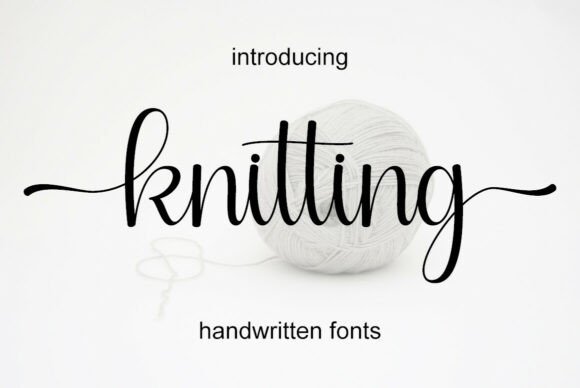
At its core, Knitting is a display font designed to make a statement. Its visual personality is one of sophisticated charm. The letters feature a delicate balance of thick and thin strokes, a hallmark of a well-drawn script font. Unlike some handwritten font styles that can feel messy or casual, Knitting maintains a clear, cohesive flow. Each character connects to the next with a natural, unforced elegance, creating a seamless visual rhythm that guides the eye along the line. This attention to detail makes it a standout creative font, perfect for projects where first impressions are everything.
The overall appeal lies in its versatility. It can feel romantic for a wedding invitation, whimsical for a children’s brand, or luxurious for high-end product packaging. This adaptability makes it a wonderful addition to any font library, offering a reliable tool for injecting personality into a wide range of designs.
Where Knitting Truly Shines: Practical Applications
The real value of a font like Knitting is in its application. Understanding where it works best allows you to leverage its strengths effectively, enhancing your brand identity and engaging your audience on a deeper level.
Branding and Logo Design
For logo design, a script font can be a powerful way to convey a brand’s essence instantly. Knitting is ideal for businesses that want to project an image of craftsmanship, care, and personal touch. Think of a boutique bakery, a handcrafted jewelry line, a bespoke tailor, or a high-end florist. Using Knitting in a logo sets a tone of quality and authenticity that a standard sans serif font might not achieve. It tells customers there’s a human touch behind the brand.
Packaging and Editorial Design
In packaging design, the font helps a product stand out on a crowded shelf. A label for artisanal coffee, a tag for handmade soap, or the packaging for a gourmet food item gains immediate character with Knitting. It communicates the product's story before the customer even reads the description. Similarly, in editorial design, such as magazine headers, chapter titles in a book, or pull quotes in a blog post, this font can break up dense text, add visual interest, and establish a distinct mood for the publication.
Digital and Social Media Presence
For web design and social media graphics, Knitting is a fantastic tool for creating standout headlines and call-to-action buttons. A script font can soften the digital feel of a website, making it feel more welcoming. On platforms like Instagram or Pinterest, where visual appeal is paramount, using Knitting for quotes, sale announcements, or story highlights can significantly boost engagement. It adds a layer of polish and creativity that helps your content get noticed in a fast-scrolling feed.
Making Knitting Work: A Designer's Guide
Choosing a font is only half the battle. Using it effectively requires a bit of strategy. Here’s how to integrate Knitting into your work for maximum impact.
Pairing for Professionalism
A script font like Knitting rarely works well for long paragraphs of body copy. Its primary role is as an accent. The key to a professional layout is effective font pairing. A classic and reliable approach is to pair Knitting with a clean, neutral serif font or sans serif font. For example, using Knitting for a main headline, a simple sans serif like Montserrat or Open Sans for subheadings, and a readable serif like Lora or Merriweather for body text creates a clear visual hierarchy. This contrast ensures your design is both beautiful and legible.
Readability and Hierarchy
While Knitting is highly detailed, it’s important to consider readability, especially at smaller sizes. It’s best used for short, impactful text: headlines, logos, single words, or short phrases. Avoid setting entire sentences in a script font, as this can strain the reader’s eyes. By using Knitting strategically for key elements, you guide the viewer’s attention exactly where you want it, improving both the aesthetics and the user experience of your design.
Unlocking Its Full Potential
One of the most practical features of the Knitting font is that it is PUA encoded. This is a crucial detail for any designer. PUA (Private Use Areas) encoding means that all the special characters, swashes, and alternate glyphs included with the font are easily accessible. You don’t need special design software knowledge to use them. You can simply copy and paste these extra flourishes from a character map directly into your document, allowing you to customize the font’s look and add unique, decorative touches to your lettering with ease.
Considering the License
Finally, as with any commercial font, always review the licensing terms. Understand whether the license covers your intended use, whether for a single client project, for your own business’s marketing materials, or for products for sale. This simple step ensures you are using this valuable design asset correctly and protects both you and your clients. By thoughtfully integrating a high-quality typeface like Knitting, you elevate your work from simply being designed to being truly crafted.