Embrace the Art of the Human Touch with Casual Flow
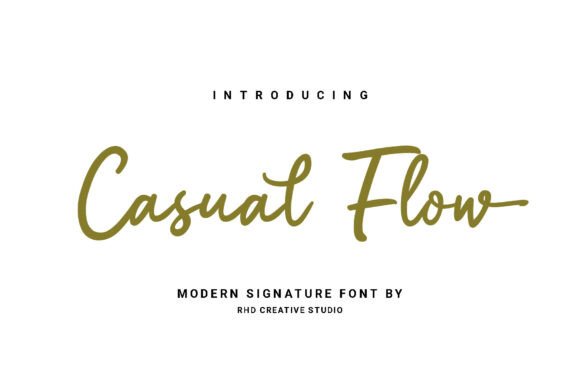
There's a particular feeling we chase in modern typography—the sense that a design was crafted by hand, not assembled by a machine. That's exactly the space where Casual Flow lives. This isn't just another script font collecting digital dust in your library. It's a typeface that carries the warmth of actual penmanship, the kind of relaxed, rhythmic movement you'd see in a skilled calligrapher's morning practice. The ink-flow aesthetic feels authentic because it is authentic in its construction—each letterform was designed to capture those natural transitions, those slightly imperfect curves that make handwriting feel genuinely human.
What makes this premium font stand apart from hundreds of other script typefaces? Two things: balance and consistency. Many handwritten fonts sacrifice one for the other. They'll nail the casual vibe but become unreadable at smaller sizes, or they'll maintain clarity while losing all personality. Casual Flow threads that needle beautifully. The swashes are present but never overbearing. The weight stays steady whether you're setting a single word or a full headline. That combination makes it remarkably versatile for real-world projects where legibility and character have to coexist.
Where Casual Flow Truly Earns Its Place
Let me walk you through the projects where I've seen this typeface genuinely shine, because context matters more than most people realize when choosing a creative font.
Photographer Watermarks That Don't Distract
Every photographer wrestles with the same tension: you need to protect your work, but a watermark that screams for attention undermines the image itself. Casual Flow solves this elegantly. Its natural, flowing rhythm blends into photographs—whether you're shooting weddings, lifestyle portraits, or editorial work—without disappearing entirely. The consistent stroke weight ensures the mark remains visible even when scaled down or placed over complex backgrounds. Set it in a semi-transparent white or soft gray, and it becomes part of the composition rather than an interruption. That's brand identity work at its most subtle and effective.
Wedding Stationery and Personal Touches
Wedding design is one of those rare categories where typography is the design. Brides and grooms aren't looking for something that feels corporate or overly stylized. They want stationery that feels intimate, like a handwritten note from someone they love. Casual Flow delivers that feeling on save-the-dates, invitation suites, menu cards, and those little "thank you" tags attached to favors. It pairs beautifully with a clean serif font for body text—think something like a transitional serif for the details—and the contrast creates a natural visual hierarchy that guides the eye without any effort.
Branding for Lifestyle and Wellness
If you're building a brand in the lifestyle, wellness, or creative space, your typography choices signal your values before a single word is read. A font like Casual Flow tells your audience: we're approachable, we're genuine, we care about craft. I've seen it work beautifully for boutique candle makers, yoga studios, independent skincare lines, and food bloggers who want their branding to feel as warm as their recipes. Used as a display font for logos, taglines, or hero sections on a website, it creates immediate emotional connection. That's not a small thing in a market where consumers scroll past thousands of brands daily.
The Practical Side: Pairing, Testing, and Licensing
Choosing a font is only the beginning. How you use it determines whether it elevates your project or creates visual noise. Here's what I'd recommend if you're considering Casual Flow for your next design.
Test your pairings before committing. A script font like this needs a grounding partner. Sans serif fonts work well for body copy—something geometric or humanist with open letterforms that won't compete visually. If your project skews more editorial or traditional, a modern serif font can create a lovely interplay between formal and relaxed. The key is contrast in style, not just size. Avoid pairing Casual Flow with other decorative or handwritten fonts; the result typically feels chaotic rather than cohesive.
Check the included styles and glyphs. Before purchasing any commercial font, explore what's actually in the package. Does it include alternate characters? Ligatures? Extended language support? These details matter when you're setting headlines, creating social media graphics, or designing packaging where a unique letterform might make the difference between good and exceptional. Casual Flow's balanced swashes give you options without overwhelming your workflow—a practical consideration that saves time during production.
Readability is non-negotiable. This is where many designers stumble with script and display fonts. Casual Flow performs admirably at medium to large sizes, but like any script typeface, it's not designed for body text. Use it where it excels—headlines, logos, watermarks, callouts, and short phrases—and set your longer content in a legible sans serif or serif companion. That division of labor is fundamental to good typographic hierarchy, and it applies whether you're designing for print, web design, or social media overlays.
Understand your licensing needs. If you're using this font for client work, merchandise, or any commercial application, verify that the license covers your intended use. Most premium font licenses distinguish between desktop use, web embedding, and extended commercial applications like merchandise. It's a five-minute check that prevents headaches down the road, and it's a mark of professionalism that clients appreciate.
Making It Work Across Mediums
One of the strengths I keep coming back to with Casual Flow is its adaptability across different design contexts. On screen, it holds up well in social media graphics—Instagram stories, Pinterest pins, Facebook headers—where that human, approachable feel drives engagement. In print, it translates beautifully to business cards, thank-you notes, editorial design sidebars, and packaging design elements. The natural ink-flow aesthetic reads as tactile and real, even when it's rendered digitally at 72 dpi on a phone screen.
For content creators and bloggers, think about how a consistent typographic voice builds recognition over time. Using Casual Flow as your signature display font across blog headers, email templates, and downloadable resources creates a thread of visual continuity that your audience begins to associate with your work. That's brand consistency in action—not through rigid rules, but through thoughtful, repeated choices.
Ultimately, fonts like Casual Flow exist to solve a very human problem: how do we communicate warmth and authenticity through a medium that's inherently mechanical? The answer, as this typeface demonstrates, lies in design that honors the imperfections and rhythms of actual handwriting while maintaining the precision that professional work demands. Whether you're a photographer protecting your portfolio, an entrepreneur shaping your first brand identity, or a crafter designing stationery for your Etsy shop, the right typeface doesn't just look good—it feels right. And that feeling is what your audience remembers.